

Walk onto almost any ultrasound studio’s website and you’ll find a menu of package options: 2D, 3D, 4D, sometimes combinations of all three, at different price points and gestational windows. For parents who just want to see their baby, this can feel more complicated than it needs to be. The good news is that once you understand what each option actually offers, choosing becomes far more straightforward.
This guide breaks the decision down into a few practical questions, rather than a long list of technical specifications, so you can figure out what actually matters for your situation.
Start With What You Want From the Appointment
Before comparing prices or package names, it helps to ask what you’re actually hoping to get out of the scan. Common priorities include:
- Confirming the baby’s se x
- Seeing a clear facial image for the first time
- Watching real-time movement, like yawning or stretching
- Getting a printed or digital keepsake to share with family
- Simply having reassurance that the baby is active and developing
Different 2D, 3D, 4D, 5D ultrasound package options in Perth serve these goals differently, so it’s worth being honest with yourself about what matters most before comparing options.
Understanding What Each Imaging Type Actually Shows
2D ultrasound produces the familiar black-and-white cross-sectional image. It’s the clinical standard for measuring growth, checking anatomy, and monitoring the pregnancy, but it can be difficult for untrained eyes to interpret as anything other than shapes and shadows.
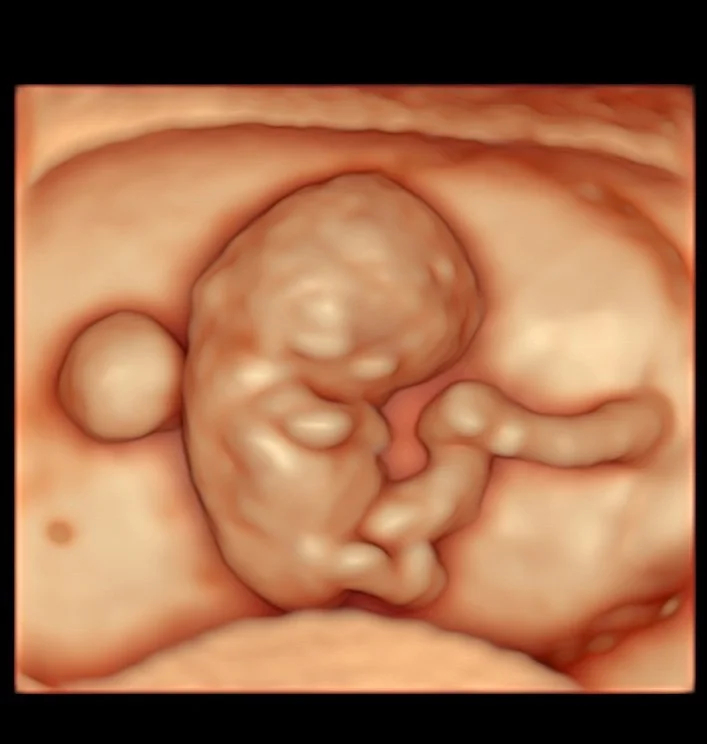
3D ultrasound reconstructs surface detail from the same data, producing a sculpted, photo-like still image. This is usually what parents picture when they imagine a “baby scan photo.”
4D ultrasound adds motion, showing the baby moving in real time rather than in a single still frame. This is often the format parents find most emotionally memorable, since it captures a yawn, a stretch, or a hand drifting past the face as it happens.
Many ultrasound packages in Perth combine all three, giving parents the clinical clarity of 2D alongside the emotional impact of 3D/4D imaging in a single appointment.
Match the Package to Your Stage of Pregnancy
Package suitability often depends heavily on timing:
- Before 24 weeks: Facial detail is limited, so packages built around 3D/4D imaging generally aren’t recommended yet
- 26 to 32 weeks: Widely considered the ideal window for clear facial imaging, and where most premium 3D/4D/5D ultrasound Perth packages are designed to sit
- 30 to 36 weeks: Still an option, though positioning becomes less predictable as the baby has less room to move
If a clinic offers a package outside these general windows, it’s worth asking what results are realistic at that stage rather than assuming every package guarantees the same outcome regardless of timing.
Consider What’s Included Beyond the Scan Itself
Packages can vary in more than just imaging type. Worth checking before booking:
- How many images or how much video footage is included
- Whether digital files, prints, or both are provided
- Scan length, and whether extra time is available if the baby isn’t cooperating
- Whether a follow-up appointment is offered if imaging conditions aren’t favourable on the day
These details often matter more to overall satisfaction than the headline price of the package.
Weighing Cost Against What You Actually Need
It’s tempting to assume the most expensive package is automatically the best choice, but that’s not always true. A parent purely wanting gender confirmation may not need a premium keepsake package with extended 4D footage. Conversely, someone hoping for a detailed bonding experience with extended family present may find a basic 2D-only scan underwhelming.
Providers such as Amara Imaging typically offer a range of tiers precisely because pregnancy priorities vary so much from one family to the next, and a good consultation should help match the package to the parents’ actual goals rather than upselling the most expensive option by default.
At Amara Imaging, packages are structured around different stages of pregnancy, from early reassurance and gender confirmation scans through to detailed 3D/4D/5D bonding scans later in the third trimester, so parents can choose the option that fits where they are in the pregnancy rather than a one-size-fits-all package.
It’s worth remembering that these elective ultrasound packages are designed for bonding and keepsake imaging. They do not replace the routine medical scans, such as the dating or anatomy scan, that remain an essential part of standard pregnancy care.
A Few Questions Worth Asking Before You Book
- What imaging types are included, and at what gestational stage is the package designed for?
- Is the scan performed by a qualified medical sonographer?
- What happens if the baby is in an unfavourable position on the day?
- Are digital files, prints, or both included in the price?