

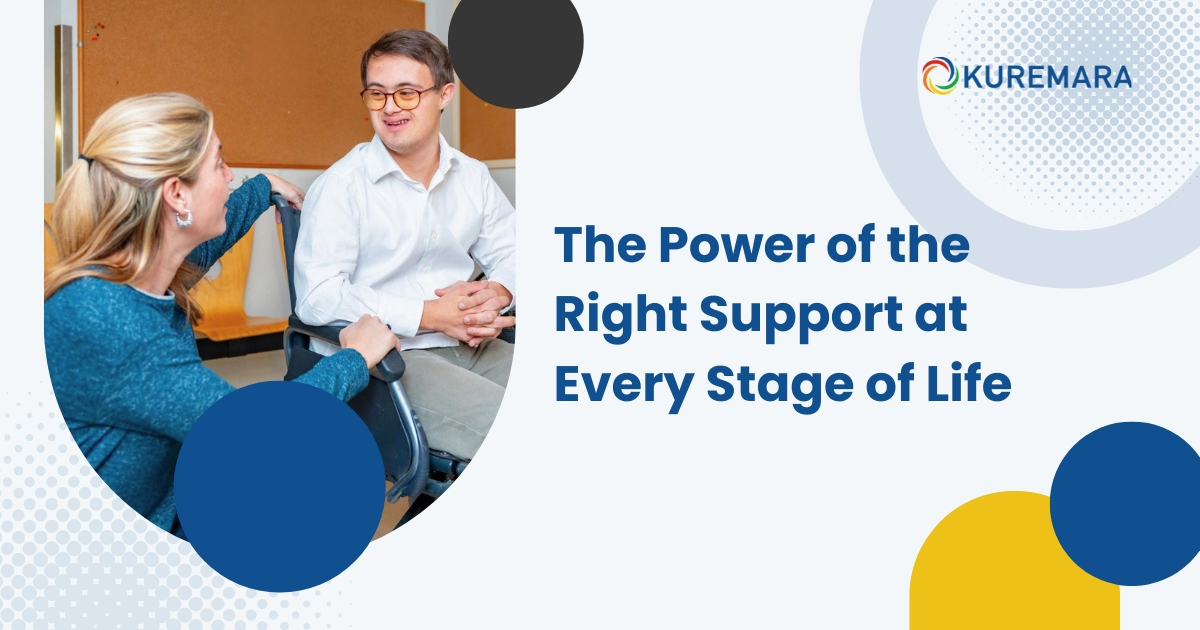
Living with disability should never limit a person’s ability to pursue goals, build relationships, and enjoy a fulfilling life. Every individual deserves access to support that helps them participate in their community, develop new skills, and make choices that reflect their aspirations.
The National Disability Insurance Scheme (NDIS) has transformed the way disability support is delivered across Australia by giving participants greater control over the services they receive. However, achieving meaningful outcomes is not only about funding. It is about accessing the right support at the right time from providers who genuinely understand individual needs.
Whether a participant requires assistance with daily activities, accommodation, respite care, community access, or skill development, quality support can create opportunities for growth and independence. The most successful support arrangements focus on empowering individuals while respecting their preferences, strengths, and personal goals.
As participant expectations continue to evolve, disability services are increasingly moving towards personalised approaches that prioritise long-term wellbeing rather than simply meeting immediate needs.
Understanding What Quality Support Really Means
Quality support goes beyond completing tasks or providing supervision. It focuses on helping individuals live the life they choose while receiving assistance where required.
Effective support services recognise that every participant is unique. Their goals, abilities, preferences, and challenges differ from those of other individuals. Because of this, supports should be flexible and tailored rather than following a one-size-fits-all model.
Participants often benefit most when support providers focus on:
- Individual goals and aspirations
- Respectful and inclusive communication
- Skill development opportunities
- Community participation
- Independence-building strategies
- Consistent and reliable service delivery
When these elements are combined, participants are more likely to experience positive outcomes that contribute to long-term confidence and wellbeing.
Building Confidence Through Everyday Achievements
Confidence is often built through small but meaningful accomplishments. Something as simple as preparing a meal, travelling independently, attending a community activity, or managing a daily routine can have a significant impact on a person’s self-belief.
Participants who receive encouragement and opportunities to practise new skills often become more comfortable exploring unfamiliar situations and taking greater ownership of their lives.
Developing confidence can support:
- Better decision-making
- Greater independence
- Improved communication skills
- Stronger social participation
- Increased resilience
- Enhanced emotional wellbeing
Every achievement, no matter how small, contributes to personal growth. Over time, these accomplishments can help participants work towards larger goals and greater independence.
Support workers play an important role in this process by encouraging participants to take part in activities rather than simply completing tasks on their behalf.
The Importance of Social and Community Participation

Strong social connections contribute significantly to overall wellbeing. Feeling connected to friends, family, and the broader community helps individuals develop a sense of belonging and purpose.
Many participants face barriers that can make social engagement challenging. Disability support services can help overcome these challenges by creating opportunities for individuals to engage with others and participate in activities that match their interests.
Benefits of community participation include:
- Building friendships and support networks
- Improving communication and social skills
- Reducing feelings of isolation
- Increasing confidence in public settings
- Encouraging personal growth
- Creating enjoyable and meaningful experiences
People looking for NDIS providers Sunshine Coast often seek organisations that understand the importance of balancing practical support with opportunities for social engagement and community involvement.
The most effective providers recognise that meaningful participation can have a positive impact on every aspect of a participant’s life.
Creating Safe and Supportive Living Environments
A person’s living environment plays a significant role in their comfort, wellbeing, and ability to achieve personal goals. Supportive accommodation arrangements can provide stability while helping participants develop important life skills.
A quality living environment should encourage independence while ensuring participants have access to the support they require.
Individuals seeking Sil providers Sunshine Coast are often looking for more than accommodation. They are searching for environments where they can build confidence, strengthen daily living skills, and participate actively in their communities.
Supported living arrangements can assist participants in developing skills such as:
- Household management
- Meal preparation
- Personal care routines
- Financial awareness
- Community access
- Time management
These environments create opportunities for participants to develop greater independence while maintaining access to appropriate support.
The right accommodation setting can become an important foundation for personal growth and long-term success.
Supporting Families and Carers
Families and carers play an essential role in supporting many participants. Their ongoing commitment often contributes significantly to the wellbeing and success of their loved ones.
However, caregiving responsibilities can sometimes become physically and emotionally demanding. Providing carers with access to additional support services helps create sustainable arrangements that benefit everyone involved.
When carers feel supported, they are often better able to maintain balance in their own lives while continuing to provide quality assistance.
Support services can help carers by:
- Providing periods of respite
- Reducing stress and burnout
- Offering practical assistance
- Creating greater peace of mind
- Supporting family relationships
- Encouraging long-term sustainability
Recognising and supporting carers is an important part of delivering holistic disability services.
The Value of Temporary Support and Respite
Short-term support services can provide valuable opportunities for participants while also offering families and carers a well-deserved break.
Temporary accommodation and respite services allow participants to experience different environments, engage in new activities, and build confidence outside their usual routines.
Many families exploring STA Providers Sunshine Coast appreciate the opportunity for participants to develop new skills while receiving quality care in a supportive setting.
Short-term support can help participants:
- Experience greater independence
- Meet new people
- Develop social skills
- Participate in community activities
- Build confidence in unfamiliar environments
- Explore future living possibilities
These experiences often create lasting benefits that extend well beyond the support period itself.
For some individuals, short-term accommodation can also serve as a stepping stone towards more independent living arrangements in the future.
How Kuremara Supports Participant Goals
At Kuremara, the focus is on empowering participants to live meaningful, fulfilling lives while maintaining choice and control over their support journey.
The team works closely with participants and families to understand individual goals, preferences, and support requirements. By delivering personalised services, Kuremara helps participants build confidence, strengthen life skills, and increase community participation.
Whether someone requires assistance with daily living, supported accommodation, respite services, or community access, supports are tailored to meet their unique circumstances.
The organisation is committed to creating positive experiences that promote dignity, inclusion, and long-term wellbeing.
Looking Towards the Future
The disability sector continues to evolve, with increasing emphasis on participant choice, independence, and personalised service delivery.
Modern support services recognise that success is not measured solely by the assistance provided. Instead, it is measured by the outcomes participants achieve and the quality of life they experience.
Participants today are seeking providers that:
- Listen to their goals
- Respect their preferences
- Encourage independence
- Support personal development
- Foster community participation
- Deliver flexible and responsive services
This shift towards participant-centred support is helping create better outcomes across the disability sector.
By focusing on strengths rather than limitations, providers can help individuals unlock opportunities that may have previously seemed out of reach.
Conclusion
The right support can have a profound impact on a person’s confidence, independence, and overall quality of life. Whether through supported accommodation, community participation, respite services, or everyday assistance, quality disability support helps individuals achieve meaningful goals and create positive futures.
By focusing on personalised care, skill development, and community inclusion, participants can access opportunities that encourage growth and self-determination. Families and carers also benefit from services that provide reassurance, flexibility, and practical assistance.
As disability services continue to evolve, the importance of participant-centred support remains clear. With the right environment, the right team, and the right opportunities, individuals can continue building the life they want while achieving greater independence, confidence, and wellbeing at every stage of their journey.